The AI Fallacy: What marketers can learn from optimising the wrong thing
3 August 2026
Ian Maskell, Founder, P E C O R I N O, and former VP Global Marketing, Unilever. left this year's MAD//Fest with a thought he couldn't shake. "The Human Touch" feels almost nostalgic in this AI-obsessed era, but he suspects it may prove to be the idea of the decade.
The AI Fallacy is the belief that because machines can perform human tasks, they can also replace the human systems that create value. They can't. Societies are built on trust, purpose, relationships and culture. AI will undoubtedly transform work, probably more than any previous technology. But transforming work is not the same as replacing the human condition.
Our food system is a valuable analogy. Over the last fifty years, capitalism has beeen very efficient at delivering cheap calories to virtually the entire global population. By any engineering metric, this has been a remarkable success. But this ultra-efficient system has also helped create a major public health challenge. In pursuing efficiency, scale and profit, we've created a toxic food environment dominated by inexpensive, highly processed, hyper-palatable foods that our biology simply wasn't designed for. The unintended consequences have been an epidemic of obesity, type 2 diabetes and metabolic disease.
The system did exactly what it was desiged to do. The problem was optimising for efficiency rather than human health. The lesson for AI is clear. Optimising one outcome within a complex biological system can create profound unintended consequences elsewhere.
Marketing has always understood this better than engineering. Our job has never been to understand technology. It has been to understand how technology changes human behaviour. Every technological revolution creates new winners who understand people better than everyone else.
Engineering is exceptionally good at solving defined problems. Biological and social systems are different. They adapt, compensate and often respond in unintended ways. Human societies are living systems shaped by trust, identity, purpose, relationships and culture. Optimising one element of a complex system rarely optimises the whole.
Technology rarely changes humanity overnight, it slowly removes one small human interaction after another. We slowly stopped reading maps, remembering phone numbers & developing photographs. Each change made life more efficient, none seemed particularly significant but together they fundamentally changed how we engage with the world. AI is beginning the same process with work itself.
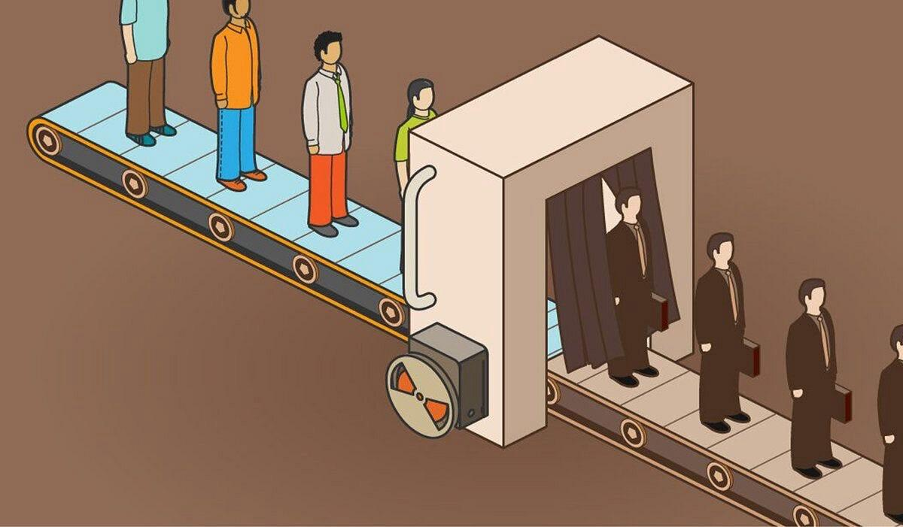
We should be sceptical of confident predictions that AI and robots will replace virtually all human work – maybe within the next decade. Those predictions assume work is simply a collection of tasks waiting to be automated. Observe the task, train the model, replace the worker. It’s an elegant engineering model, but fundamentally misunderstands that organisations are not machines, but communities.
Work is where people learn from mentors, earn trust, develop judgement, resolve conflict, create friendships and discover purpose. Innovation mostly emerges when humans interact. Remove enough humanity and we may discover we've solved the productivity problem while creating a larger social one.
Marketers shouldn't be asking, "What can AI do?" but "How will AI change human behaviour?". Markets are created by people, not technology. The internet transformed commerce because people changed how they searched, shopped and trusted. Social media reshaped culture because it amplified human needs for identity, belonging and connection. The winners in this AI revolution will be those that better understand how humans adapt to the new reality. Humans seek meaning, belonging, status, relationships and purpose. Productivity matters, but societies function for many other reasons.
The future will belong to humans working with machines. AI will make us faster, better informed and more productive, but judgement, empathy, ethics, imagination and the ability to build communities will remain unique human capabilities. These are not bugs in the system, they are the system.
In this era of AI, the greatest competitive advantage may simply be remembering the enduring value of the human touch.
Technology creates possibilities. Human behaviour creates markets. Only people create societies.


