
Is Sponsorship the laziest form of advertising?
8 December 2025
Sponsorship is often the laziest form of marketing - a cheque, a logo, and the illusion of effort. It only matters when there’s genuine intent and a story people can actually get behind, not just more brand wallpaper. So here’s why Jazz Hands sponsors the Lionesses Supporters Team, as told by founder Samantha Dolan.
Let’s get one thing straight: sponsorship is often the laziest form of advertising in the book, actually probably only trumped by celebrity endorsement. Seeing Kevin Costner on Turkish Airline posters in the noughties brought on a bout of nausea I’m still recovering from, nothing says “authentic brand connection” like a Hollywood cowboy flogging economy seats to Istanbul.
Write a cheque, slap your logo on a shirt, a board, a banner – and boom, you’re “doing marketing”. No sweat, no real graft, just visibility. It’s tempting, it’s easy, and in some cases, it even works.
But here’s my take – sponsorship only becomes powerful when there’s actual intent behind it. When there’s a story, a link, a reason that makes sense to consumers and they go ‘hell yeah I can get behind that’, without that, it’s just noise. Brand wallpaper.
The Commercial Grab: When Sponsorship’s Just About Eyeballs
Let’s start with the obvious. Plenty of big brands chuck serious money at sponsorship purely for reach. Visibility. Scale. And while there’s nothing wrong with that, it’s not always giving the feels.
Emirates is a textbook example. The airline’s name is plastered across Arsenal’s stadium, Real Madrid’s shirts, and half the world’s sporting events. It’s high-profile and consistent – but it’s transactional. Does it reflect deep-rooted passion for football, rugby, tennis, or cricket? Not really. It’s about brand presence, global eyeballs, and the halo effect of association with winning teams, or teams that come second in Arsenals case – sorry couldn’t resist! It’s a visibility play, pure and simple.
Etihad and Qatar Airways are cut from the same cloth. It’s big-brand aviation using sport to stay top-of-mind in ultra-competitive markets. Effective? Maybe. But emotionally resonant? Not so much.
Or take Coca-Cola’s sponsorship of major sporting events like the Olympics or the Premier League. It's been going on for decades. And while it’s undoubtedly helped embed the brand in global culture, it’s also very commercial. Big brand, big event, big bucks. Job done.
There’s absolutely nothing wrong with that – if your goal is scale. But if you're looking for brand love, loyalty, or genuine connection? That’s a different ballgame.
Where Sponsorship Actually Means Something
Now, let’s talk about when it emotionally works. When sponsorship isn’t just a logo, but a loud, clear statement of what a brand stands for.
Take Patagonia. They don’t go near your typical mega-sports deals. Instead, they put money behind environmental activism, grassroots campaigns, and local organisations that align with their mission. They don’t just sponsor events—they fund movements. That’s intent. That’s values. That’s how you turn sponsorship into brand truth.
Or look at Nike’s backing of Colin Kaepernick. That wasn’t safe. It wasn’t easy. It triggered backlash, boycotts, and endless media coverage. But it also shouted, “We stand for something.” Nike’s not new to controversy, but in that moment, they proved sponsorship could be cultural commentary, not just commerce.
Another great example? Lush – they’ve partnered with social causes and ethical campaigns, putting their brand behind anti-animal testing, ethical sourcing, and climate justice. Not sexy. Not safe. But very on-brand.
These brands don’t sponsor because it’s convenient. They sponsor because it means something – to them. That’s the difference. They're not chasing impressions; they’re creating movements. And people love to be part of something bigger, something emotional. When a brand stands for more than just itself, it gives people a reason to rally, to belong, to care. That’s when sponsorship stops being marketing—and starts being momentum.
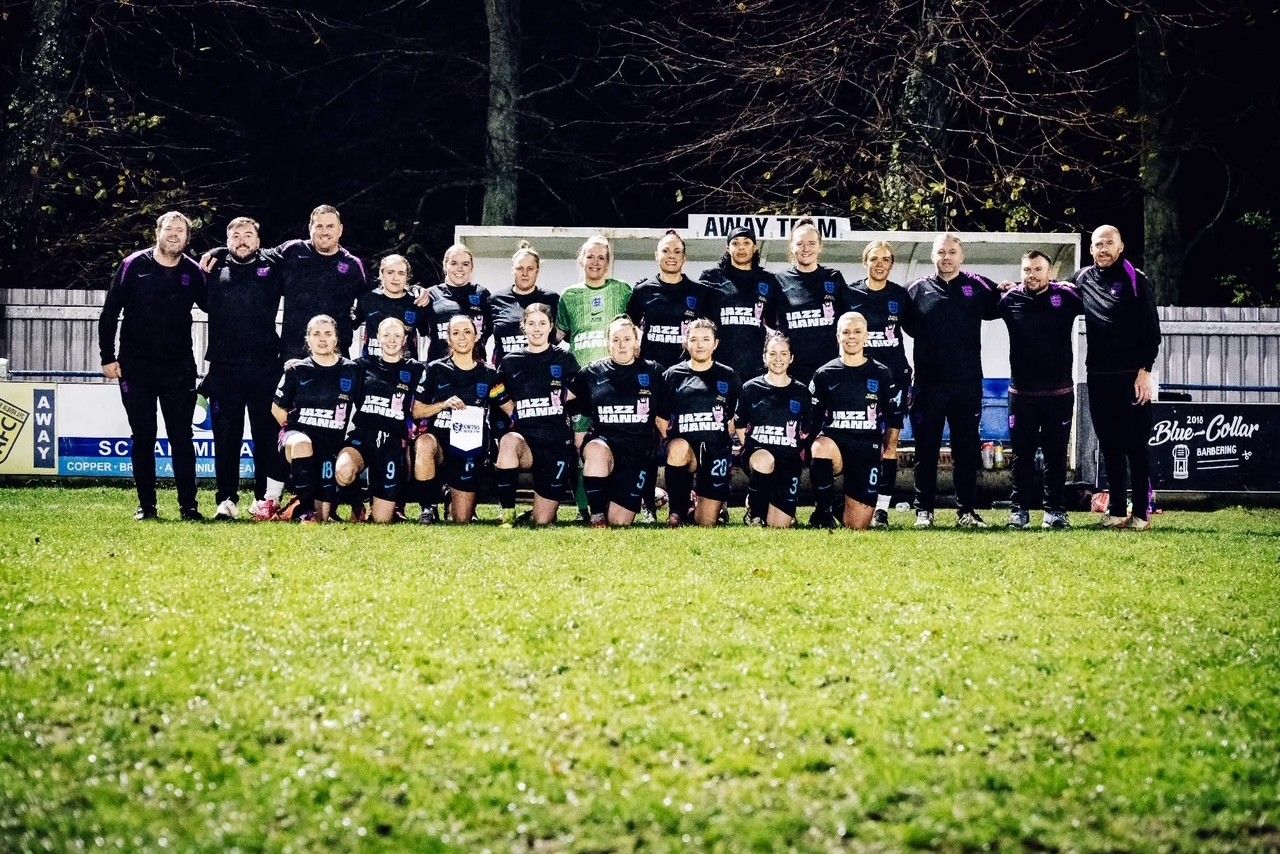
Here is the Lionnesses Supporters Team in their brilliant Jazz Hands sponsored kit!
The Jazz Hands Way: Why We Sponsor the Lionesses Supporters Team
Now, let’s bring it home 😉
At Jazz Hands, we’re a brand strategy business that believes in doing things with purpose. No fluff. No faff. No pretending to care about something because it “looks good” on LinkedIn.
That’s why we sponsor the Lionesses Supporters Team, amongst others.
Not because it ticks a CSR box. Not because it gets us in front of thousands (it doesn’t). We do it because I love football. I love the energy, the community, the sheer magic of the game. And I believe in backing women’s sport, especially at the grassroots and supporter level, where the passion runs deepest and the funding’s still miles behind.
It’s not a “strategy play” – it’s personal. But it also makes sense for our brand.
Jazz Hands isn’t some shiny agency throwing buzzwords around. We’re straight-talking, pragmatic, client-side savvy, with a sense of humour and a sense of what's right. Supporting something we believe in – that’s completely aligned with our values. It's not about ROI, CPMs or conversion funnels. It's about real connection.
And guess what? When you back something for the right reasons, people feel it. They get it. You don’t have to shout – it just lands.
And when people feel it, they act on it. They buy into your brand, not just your product. That’s the long game. That’s commercial. That’s how intent turns into impact.
What’s Your Intent?
The problem with so many sponsorships is they’re just transactions dressed up as “partnerships”. But audiences are smarter now. They can sniff out the difference between a cash grab and a cause.
So if you’re thinking about sponsorship, ask yourself:
Does this fit with who we are?
Would we do this if nobody saw it?
Can we talk about this with pride – and without a slide deck?
Will our audience feel it – not just see it?
If the answer’s no, save your money. Stick it into performance marketing or throw another offer on Google Ads.
But if it’s a yes – a real yes – then go all in. Don’t just sponsor the thing. Be part of it. Show up. Care. Connect. That’s where the magic happens.
The Bottom Line
Sponsorship isn’t a shortcut to a meaningful brand. It’s a tool. And like any tool, its value depends on how you use it.
And here’s the truth most marketers dodge: most brands aren’t out there nurturing enthusiasm — they’re battling indifference. Apathy is the default. So if you can create real feeling, real connection, you’re already miles ahead. That’s the win. That’s the work. And that’s where smart sponsorship stops being wallpaper and starts building something that sticks.
If it doesn’t feel right to you, it definitely won’t make sense to your audience.
At Jazz Hands, we didn’t sponsor the Lionesses Supporters because it looked good on paper. We did it because it felt good in our gut.
Sam Dolan will be hosting a stage at MAD//North in February