
Paralympic Sport Is the $5 Billion Market Sponsors Are Sleeping On
1 December 2025
It’s one of the fastest-growing markets in sport, yet most sponsors still treat it as charity instead of commerce, argues Fabien Paget, CEO & Co-Founder, 17 Sport
Since 2021, every Olympic sponsorship has automatically included Paralympic rights. On paper, that means the world’s biggest brands already have access to this market. In practice, most have done little more than treat it as a compliance checkbox, or worse, a charitable add-on.
That mindset overlooks one of the biggest growth opportunities in global sport. And it’s a costly mistake.
The adaptive sports market is already worth $5 billion and is projected to more than double to $11 billion by 2030. At Paris 2024, audiences consumed 763 million hours of live coverage, an 83% surge from Tokyo, while internet searches related to the Paralympics topped one billion for the first time. Meanwhile, traditional sports from the NBA to the NFL are struggling with declining audiences.
We’ve seen this movie before. Women’s sport was once dismissed as “niche.” Today it’s the fastest-growing segment in the industry, driving record investments and broadcast deals. Barely a day goes by without another report on the unstoppable growth of women’s sport. The brands that moved early are now reaping outsized returns.
The same signals are flashing for Paralympic sport, only this time, the upside could be even bigger. The Paralympic brand may still be smaller in absolute terms, but its trajectory is growing fast — awareness, media coverage and sponsor interest are all accelerating, particularly among younger and purpose-driven audiences.
For brands, the Paralympics are increasingly seen as a differentiated opportunity that blends purpose with growth, compared to the more saturated Olympic sponsorship space.
The problem is, most sponsors are failing to activate the rights they already own, and those that do face challenges in activating them effectively. Why? In part because most sponsorship activations default to promoting performance, products or services, rather than showing how a brand can help solve a problem in society.
Paralympic partnerships aren’t plug-and-play. You can’t copy and paste the same playbook from your Olympics sponsorship and expect results. They demand a higher level of authenticity and engagement. That’s precisely why they work.
Consumers can spot tokenism a mile away. They know the difference between box-ticking and genuine commitment, and they reward the latter. Research shows that Paralympic sponsors consistently see higher trust scores, not because of logo placement but because the partnerships demand visible, real-world action.
Toyota offers a brilliant case study. At Paris 2024, under the banner of “Mobility for All,” they co-designed accessibility solutions with athletes, deployed more than 450 mobility devices across the Games, and embedded inclusivity into its innovation pipeline. The result wasn’t just awareness; it was new products, cultural impact and measurable business growth.
Allianz is another great example. A Worldwide Partner since 2021 and supporter of the Paralympic Movement for nearly two decades, Allianz recently extended its deal through 2032. The company supports more than 50 para-athletes through Team Allianz, created 22 educational videos on Paralympic sport integrated into the Paris 2024 app, and activated across insurance services. Allianz aligned corporate values with tangible outcomes, proving how long-term commitment can reinforce both purpose and profit.
These brands show what’s possible when Paralympic rights are treated as a growth platform, not a compliance exercise.
The opportunity doesn’t end with corporate strategy, it comes alive through the athletes themselves.
Take Ezra Frech, who we’re proud to represent at 17 Sport. At just 20 years old, Ezra has already starred in a Netflix docuseries, signed a four-year contract with Adidas, won two Paralympic gold medals, and built a purpose-driven brand that gets him recognised in airports — not only for his sporting success, but for what he stands for. His mission is to normalise disability at scale, to change how society perceives it, and to break down the barriers that still exist for people with disabilities.
Adidas didn’t sign him as a donation. They partnered with a young athlete who is reshaping culture and reaching audiences most brands struggle to connect with. Ezra represents a new generation of Paralympians who aren’t just athletes, they’re entrepreneurs and storytellers.
That power of storytelling was brought to life on a global scale through the Netflix documentary Rising Phoenix, which reframed perceptions of disability and the Paralympic Games for millions of viewers worldwide. As commercial partners on the project, we saw firsthand how authentic storytelling can shift perceptions and highlight the cultural and commercial relevance of Paralympic sport.
Momentum and infrastructure
The infrastructure around Paralympic sport is catching up fast. For the first time, the IPC’s Impact Strategy, launched in September, puts hard evidence behind what Paralympic sport delivers, making it easier for brands to measure, communicate and scale the impact of their involvement.
The timing couldn’t be more critical. With Milano Cortina 2026 on the horizon and LA28 set to be the most commercially significant Paralympic Games in history, the next three years will define whether brands step up and lead or continue to lag behind.
LA28 in particular could be a game-changer. With founding partners including Google, Honda, and Starbucks already on board, the opportunity is clear, but the real test will be whether brands activate authentically, not just at arm’s length. California alone is home to 4.5 million people with disabilities, while Los Angeles hosts some of the nation’s most influential adaptive sports organisations, such as Angel City Sports, which now delivers more than 4,000 athlete experiences each year. The infrastructure, the audience, and the cultural momentum are all in place.
The momentum is also global. Last month, the World Para Athletics Championships in India became the largest in history, with record participation and a landmark medal haul for the host nation. Add in adaptive fitness growing at 22% annually and the explosion of digital engagement, from TikTok partnerships to over 1.6 billion video views on IPC platforms in 2024, and it’s clear this is no longer inspiration at the margins. It’s mainstream growth.
The opportunity
So what does this all mean for sponsors, and what does success look like?
For starters, it means there is a rare window to lead. Just as with women’s sport, the brands that act early will capture outsized attention and shape the narrative of a rapidly growing market. But success requires more than recycling Olympic activations.
To unlock the full value of Paralympic partnerships, brands must commit to a different playbook. It starts with co-creation, working hand-in-hand with the disability community from day one, not just featuring them in campaigns but building with them.
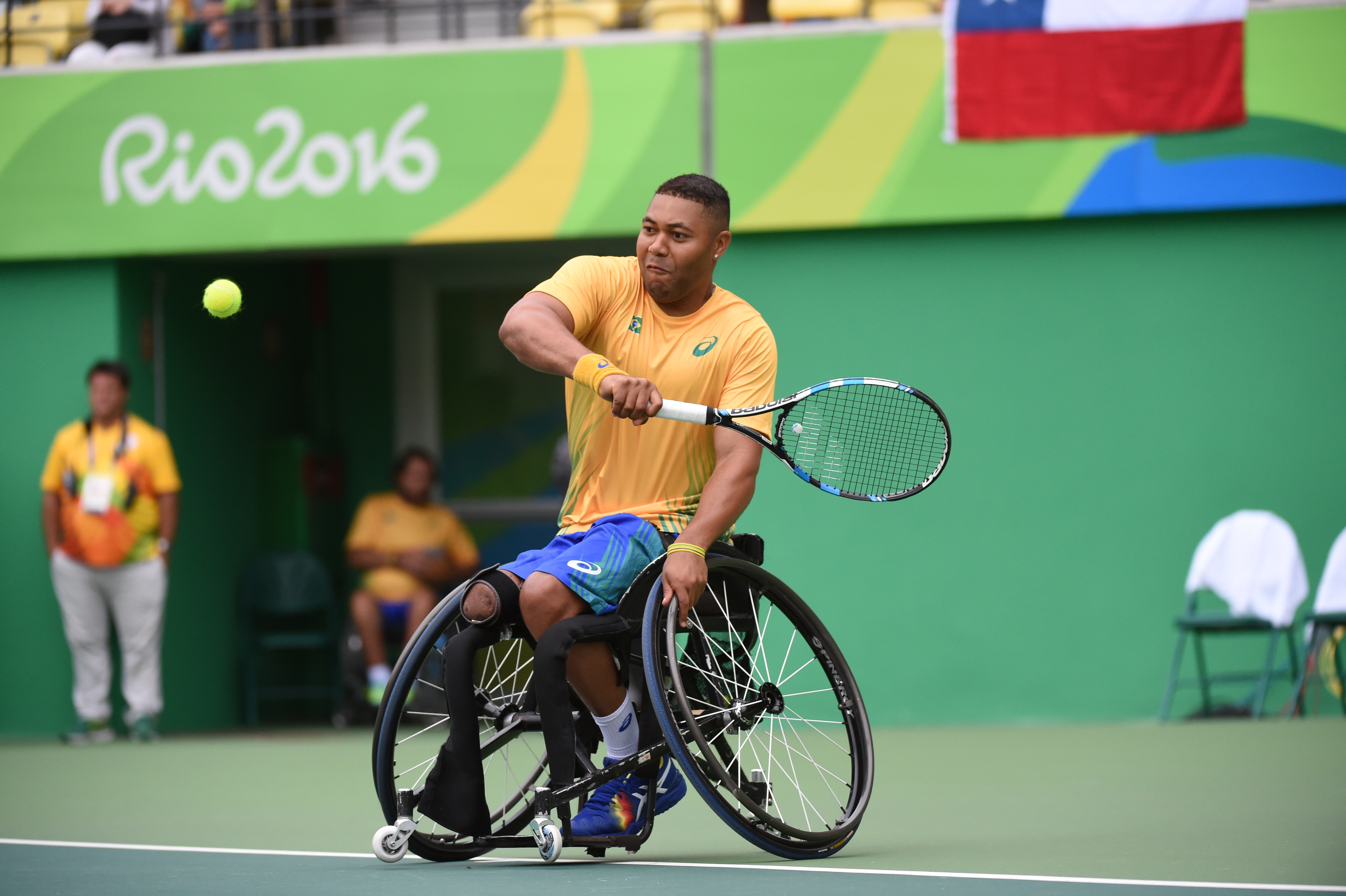
It requires challenging tired stereotypes of “overcoming disability” and instead celebrating Paralympians as elite athletes on the same stage as Olympians. Crucially, it demands consistency, showing up year-round rather than only during the Games, and translating purpose into tangible innovation, whether that’s accessible products, new services or grassroots programmes.
Finally, it means measuring what matters, using frameworks like the IPC’s Impact Strategy to prove outcomes that go beyond media exposure to include trust, community impact, employee engagement and long-term growth.
These principles have already been proven in practice. And they are the difference between a sponsorship that feels like charity and one that delivers cultural relevance, new markets, and commercial returns.
By 2030, we’ll look back at this moment as the tipping point, when Paralympic sport stopped being treated as inspiration and started being recognised as one of the most dynamic growth markets in sport.
But the real inflection point isn’t 2030, it’s 2028. LA will be the most commercially significant Paralympic Games in history, and the brands that act now will own the narrative.