
Personalisation: Cool or Creepy?
8 January 2026
In these data-rich times, we know a hell of a lot about our customers which means the sky's the limit when it comes to personalised marketing.
But just because marketers can do it, doesn’t mean they should do it. There’s a fine line between cool and creeping out your customers with how well you actually know them.
In our new report with Customer.io, Personalisation: Cool or Creepy?, we explore where that line is.
We put 7 real-life examples of marketing personalisation to our 30-strong panel of consumers, and evaluate whether the brands in question have overstepped the mark, and use those findings to advise marketers on what rules they should follow to ensure their own personalisation is not only cool, but effective.

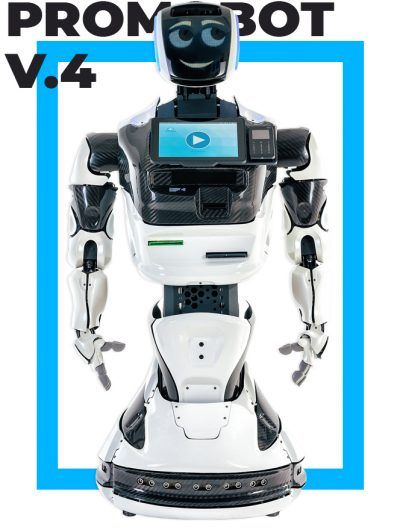
Imagine walking into a shop and being greeted by name by a robot? Thanks to facial recognition that is what's happening in Russian supermarket Lenta where robots not only welcome shoppers by name but offer promotions tailored just for them.
But facial recognition can be divisive with some consumers viewing it as an invasion of privacy.
For example, when supermarket Asda launched a facial recognition trial in early 2025 to help identify known shoplifters at 5 stores across Greater Manchester, it received more than five thousand complaints.
So how did our consumer panel feel about receiving a personal welcome and offer from an in-store robot?
 It’s a resounding thumbs down with a whopping 93% finding the personalised robot welcome creepy. Not even the prospect of a tailored promotion - who doesn’t love a discount? - could sway consumers on this.
The aim of Lenta might be to replicate the warm welcome of a friendly shopkeeper, but it falls flat coming from a machine with which the user has no relationship.
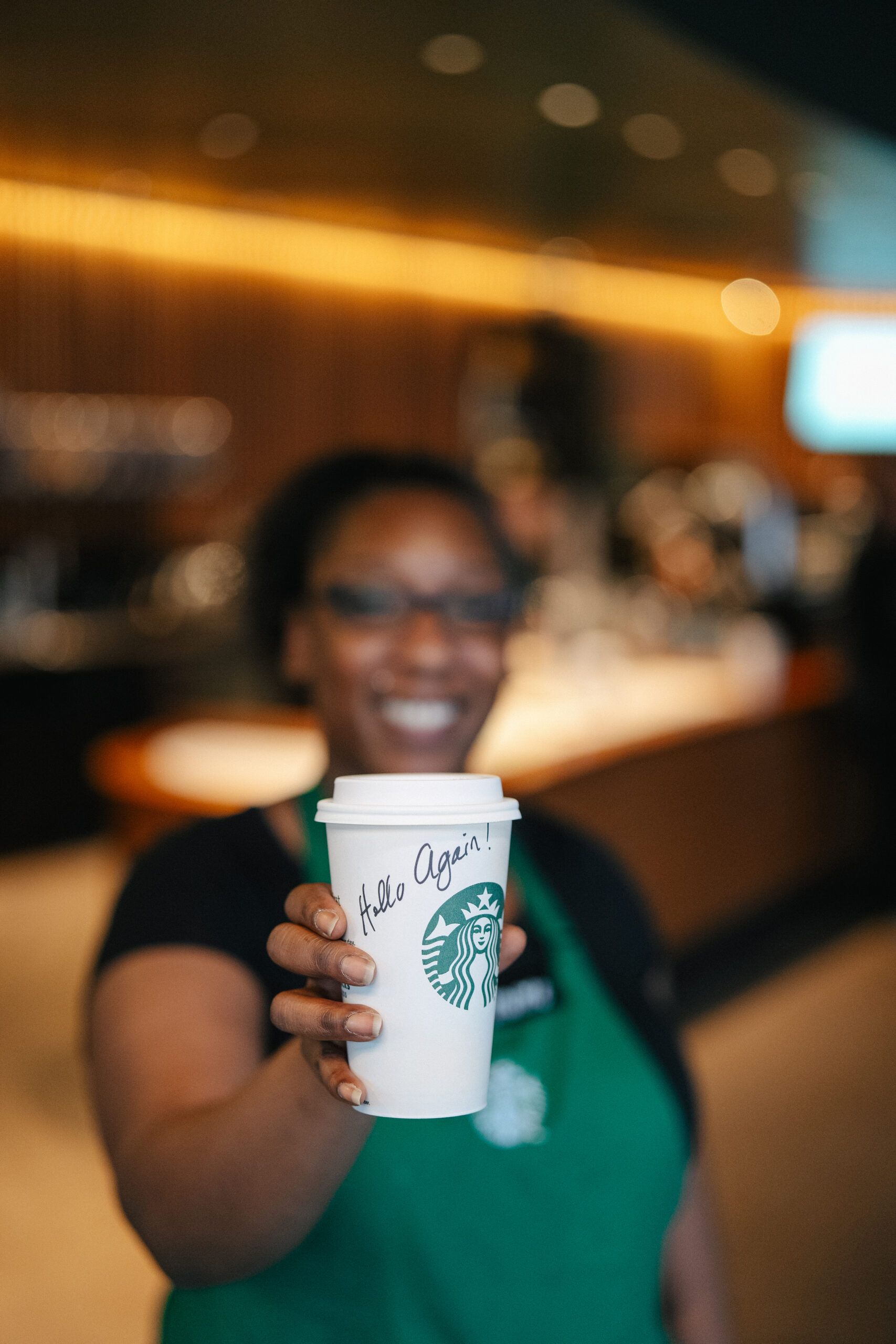
Starbucks has also looked to give customers a personal greeting and the offer of their favourite drink as soon as they walk through the door - but this message is delivered by a human rather than a robot.
The coffee chain’s personalisation app, called 'My Starbucks Barista', has been trained to understand and remember individual customer preferences and overlays this with general data such as weather, and time of the year to serve highly personalised recommendations in real time both through the app and in-store.
Is this amazing customer service, or a bit creepy?
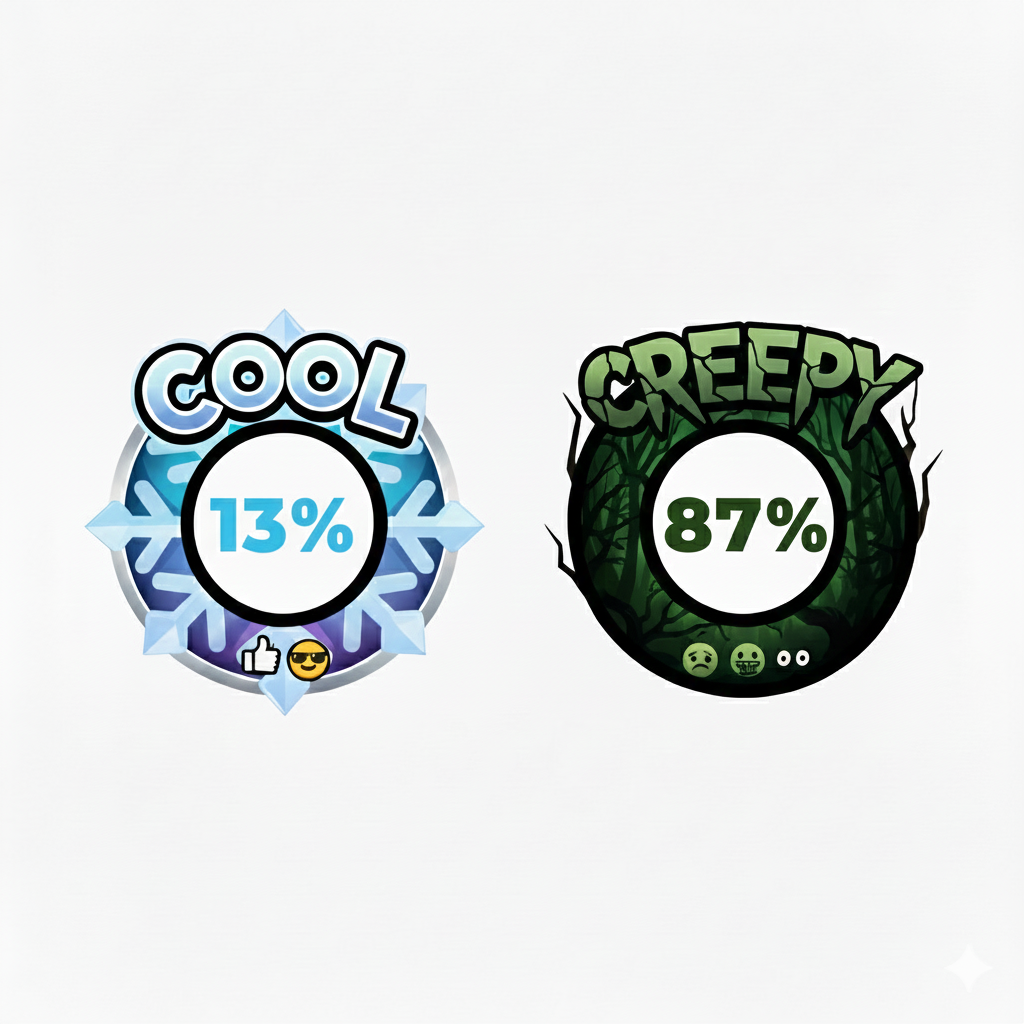 Well, the good news is that a human delivering a personalised greeting and recommendations rated slightly higher than that of a robot. However, a whopping 87% of consumers still found this creepy.
It looks like brands should stay away from using personal real world greetings unless a deep relationship between server and customer already exists.
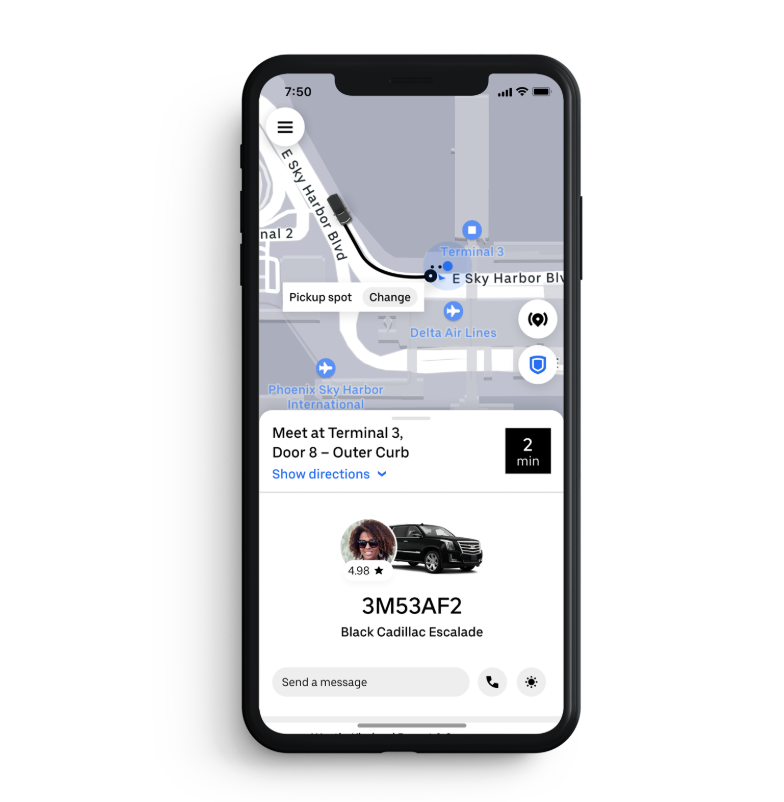
Your plane has landed, you’ve grabbed your suitcase from the carousel, but just as you're about to follow the masses and try to find the nearest taxi rank, your phone vibrates with a message from Uber.
The taxi app has sent a notification welcoming you to your destination, and lets you know where the Uber pick-up point is and how many cars are near the airport.
But is it creepy that Uber knows exactly where you are?
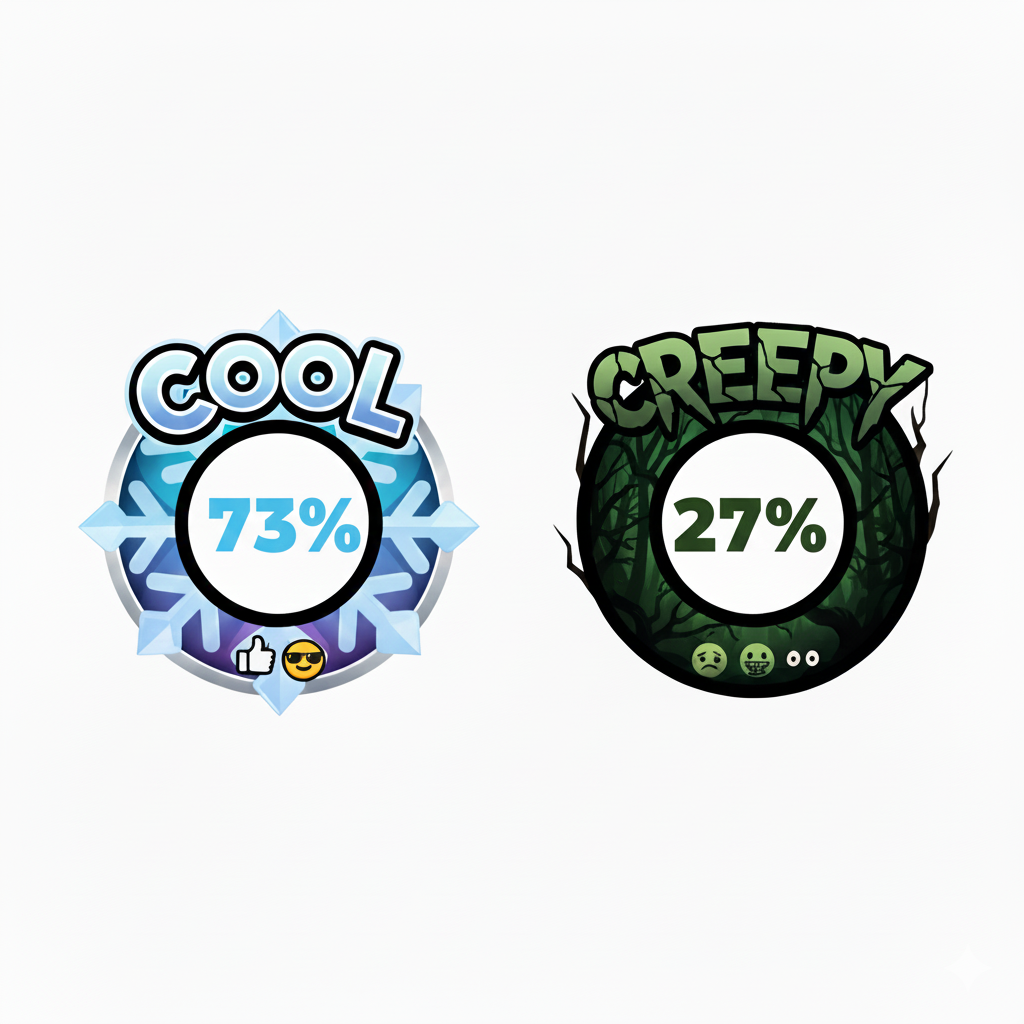 No, in fact almost three quarters (73%) of consumers think this is pretty cool.
Location tracking is fairly common with many apps asking for users' permission for this. However, to trigger alerts for airport arrivals, Uber uses geofencing alongside the phone’s location services.
A core reason why this personalisation is deemed cool is because it falls into the holy grail of 'right time, right place, right message' marketing.
People in that location are likely to be looking for a taxi and may be unfamiliar with where to get one. Uber is therefore not just “selling” but helping them out.
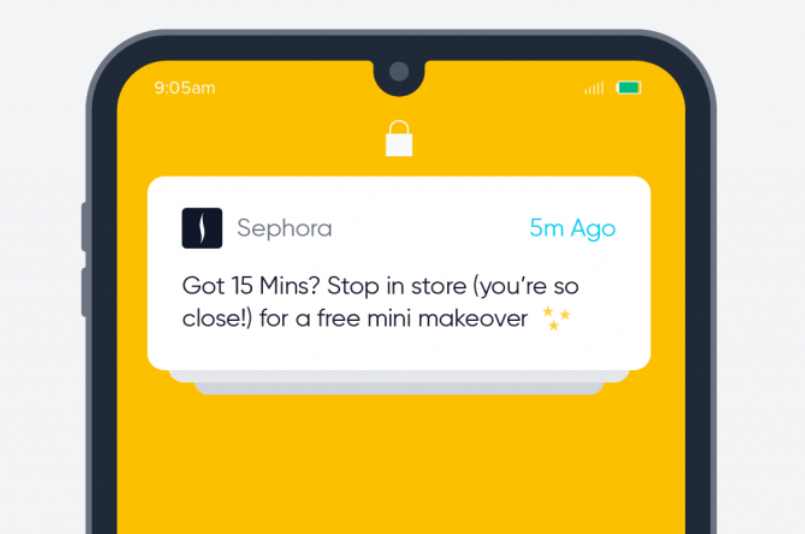
Many retailers use proximity marketing to target shoppers close to their store to try to entice them to visit. One such retailer is beauty behemoth Sephora.
Sephora offers location-based notifications through its mobile app triggered when users are within a set distance from a store. Messages can include current promotions, location-specific services, or details of exclusive launches.
Unlike the Uber example, our consumer panel were not wowed by Sephora's proximity marketing with 80% finding it creepy.
 Why? A key difference between Sephora and Uber is timing. Uber sends the notification when people arrive at the airport and are likely to be looking for ways to get to their final destination.
Just because someone happens to be within 100 metres of a store doesn't mean they are looking for a new lipstick.
While Uber is giving users some genuinely useful information - where you can get a taxi and how long it is likely to take - it feels like Sephora is simply trying to sell something that people weren’t necessarily looking for.
It’s not just retail brands that are using personalised marketing. Another sector that has sought to turn deep customer insight into a more personalised experience is financial services.
Banks have oversight of what, how and where we spend and many use this to offer tailored products such as loans or savings accounts or give financial advice to their customers.
For example, Belgian bank KBC offers customers personalised AI-driven financial advice via the medium of virtual assistant Kate.
Kate offers customers six recommendations each month based on their spending habits.
Our consumer panel are split when it comes to whether this financially savvy virtual assistant is cool or creepy.
 While personalised financial advice from a source that is finely attuned to all of your spending is genuinely helpful, talking money can still be awkward for us Brits and somewhat intrusive.
Given the divisive nature of this example, it should be noted that KBC’s personalised advice is only served to those that have opted in to the service, and the bank assures that it uses the available data in “an intelligent and appropriate manner”.
The results of our consumer panel also highlighted a difference in attitudes when it comes to age, with almost two thirds (64%) of those under 35 finding this example cool, compared to less than half (44%) of those over 35.
This mirrors the findings of a YouGov survey carried out in 2025 that showed that Gen Z and Millennials are far more comfortable talking about money than older generations.
The research found that just 17% of Gen Z and 34% of Millennial Britons see it as rude to talk money, this figure rises to 50% among Baby Boomers.
Many of our social feeds would have been flooded with Spotify Wrapped summaries at the end of last year as friends show off or hang their heads in shame at what their favourite artist or listening age was in 2025.
The campaign, which sees the music platform provide users with personalised summaries of annual listening habits in a highly shareable format, has seen Spotify turn their users’ personal data into cultural moments.
Brands across the spectrum have sought to emulate Spotify’s success from banks like Monzo to property website Rightmove.
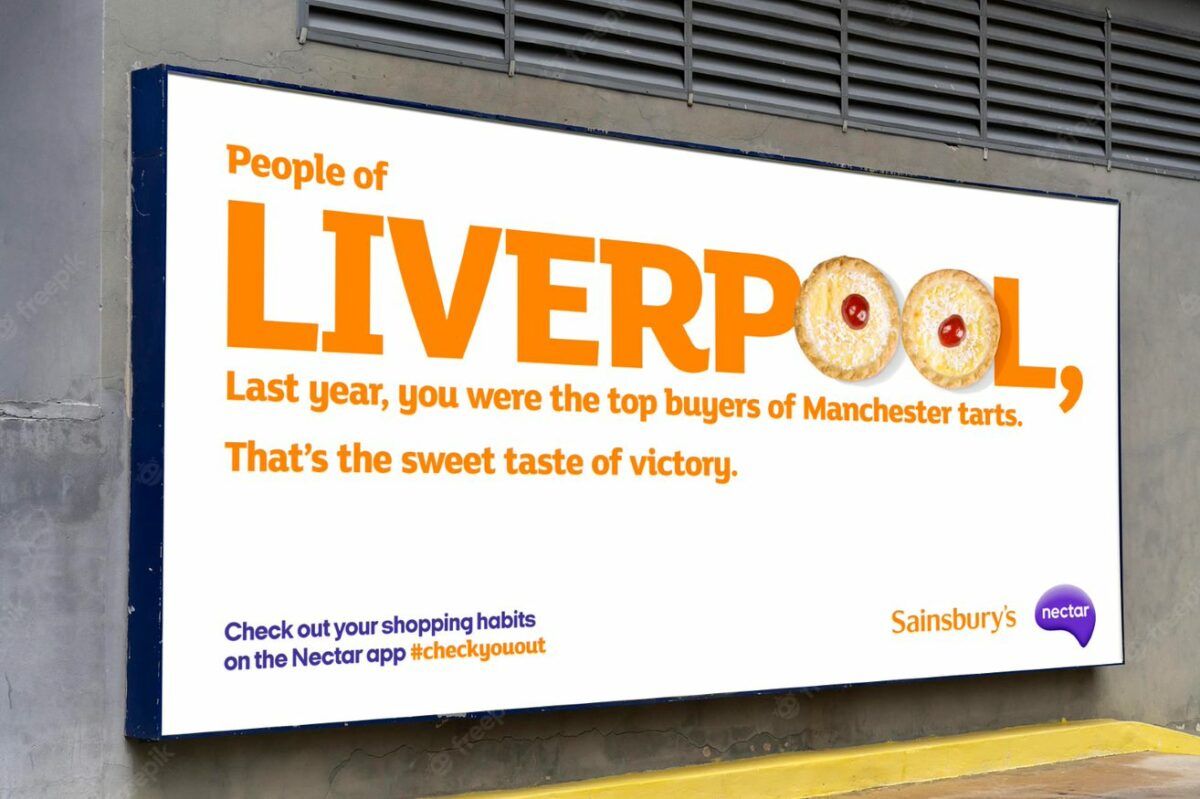
Another example is supermarket Sainsbury’s which uses transaction data from its loyalty scheme, Nectar, to offer customers insights into their most frequently purchased items and shopping trends over the previous year.
Its ‘Check You Out’ campaign shows the top three products customers bought the most, and will let them find out if they are the number one buyer of a particular product in their local store or area.

But is it creepy that supermarkets know you’re the number one buyer of Worcestershire sauce in Manchester?
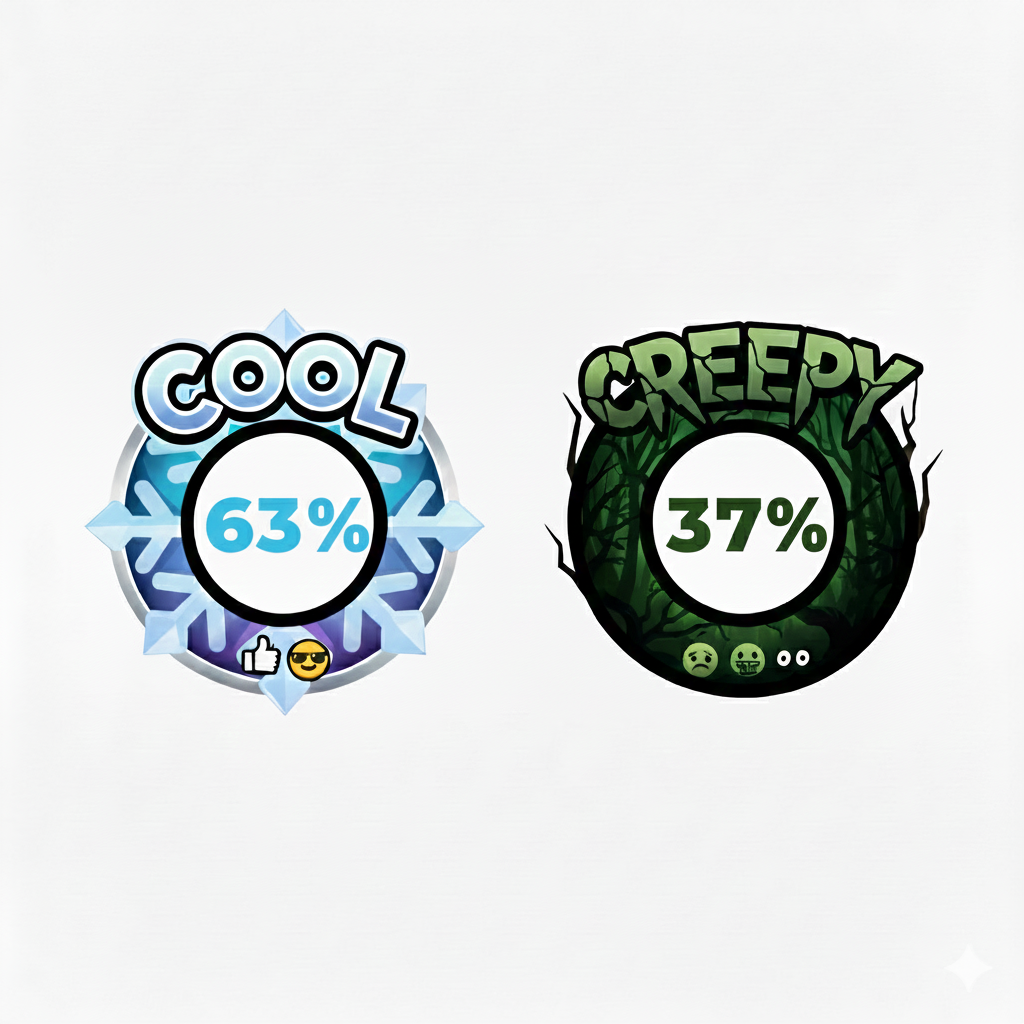 The good news for the plethora of brands jumping on the bandwagon is that almost two thirds of consumers think this personalised marketing is cool.
Ultimately this marketing is fun and can fuel self-discovery and social connection for consumers.
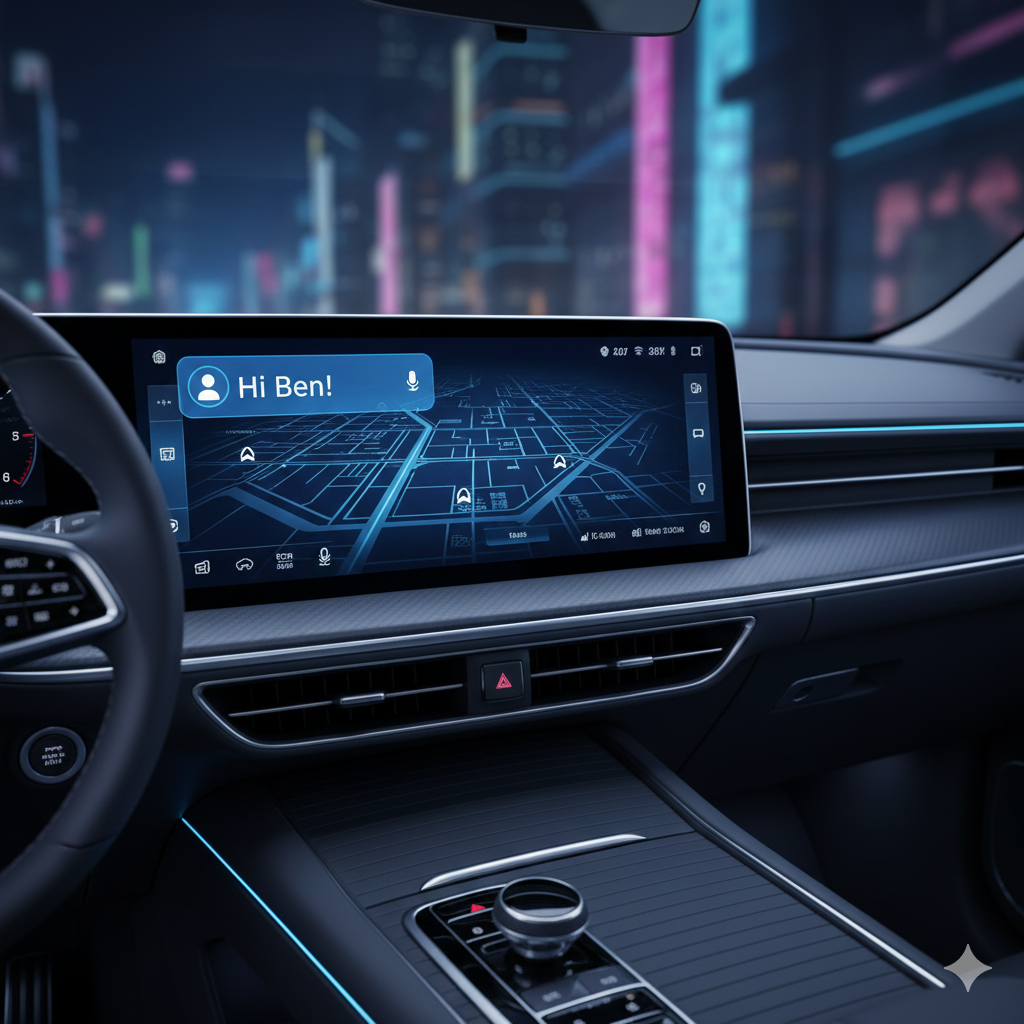
The automobile industry is starting to make use of the vast amount of connected vehicle data to create in-car experiences and messages personalised to the individual needs and preferences of each driver.
Through a vehicle’s screen, car companies can serve personalised recommendations to drivers, such as suggestions on where to park when travelling inner city, and can also upsell certain features based on their needs.
For example, by using integrated household data and trip data from the car's navigation system, a driver could be served a trial offer for a new family-friendly entertainment app before embarking on a long road trip.
It may be smart, but are automobile firms moving faster than drivers are comfortable with when it comes to in-car personalisation?
 It seems so with almost three quarters (73%) of consumers finding this personalisation example creepy.
There appears to be an element of ‘Big Brother’ about this marketing approach.
While it is reasonable for a supermarket to know what you’re likely to buy based on past behaviour, your car knowing what you plan to do next creeps into ‘are they tracking me’ territory and is perhaps saved for users that expressly opt in to such alerts.
Personalisation is clearly divisive and, as the results of our consumer survey shows, it's all too easy for data-driven personalised marketing to stray into creepy territory.
Customer.io CMO Jason Lyman says: "Personalisation works when it makes people feel understood, not watched. Buyers want experiences that reflect their point of view and respect their boundaries.
"When you get that balance right, personalisation creates emotional recall, builds trust, and makes people feel seen in a way that’s genuinely memorable, not creepy.”
Here are Customer.io's top tips for getting personalisation right:
1. Start with relevance, not volume
More data does not automatically mean better personalisation. Focus on the signals that clearly relate to what the customer is trying to do right now. When personalisation is grounded in relevance, it feels helpful instead of invasive.
2. Be transparent about how you use data
Customers are far more comfortable with personalisation when they understand why it’s happening. Make it clear what data you’re using and how it improves their experience. Transparency builds confidence and long-term trust.
3. Personalise the experience, not just the message
True personalisation goes beyond using a first name or company field. Think about timing, channel, content, and context.
A single thoughtful idea, applied consistently across touch points, creates a cohesive experience that feels intentional and human.
4. Use data, but listen for emotion
Data can tell you what people do, but it doesn’t always explain how they feel. Pay attention to qualitative feedback across social channels, communities, and conversations.
Emotional resonance is often the difference between personalisation that lands and personalisation that falls flat.
5. Know when to surprise and when to step back
Delight comes from restraint as much as creativity. Test ideas, measure response, and be willing to pivot when something doesn’t resonate.
Personalisation should strengthen trust over time, not push it to the edge.